
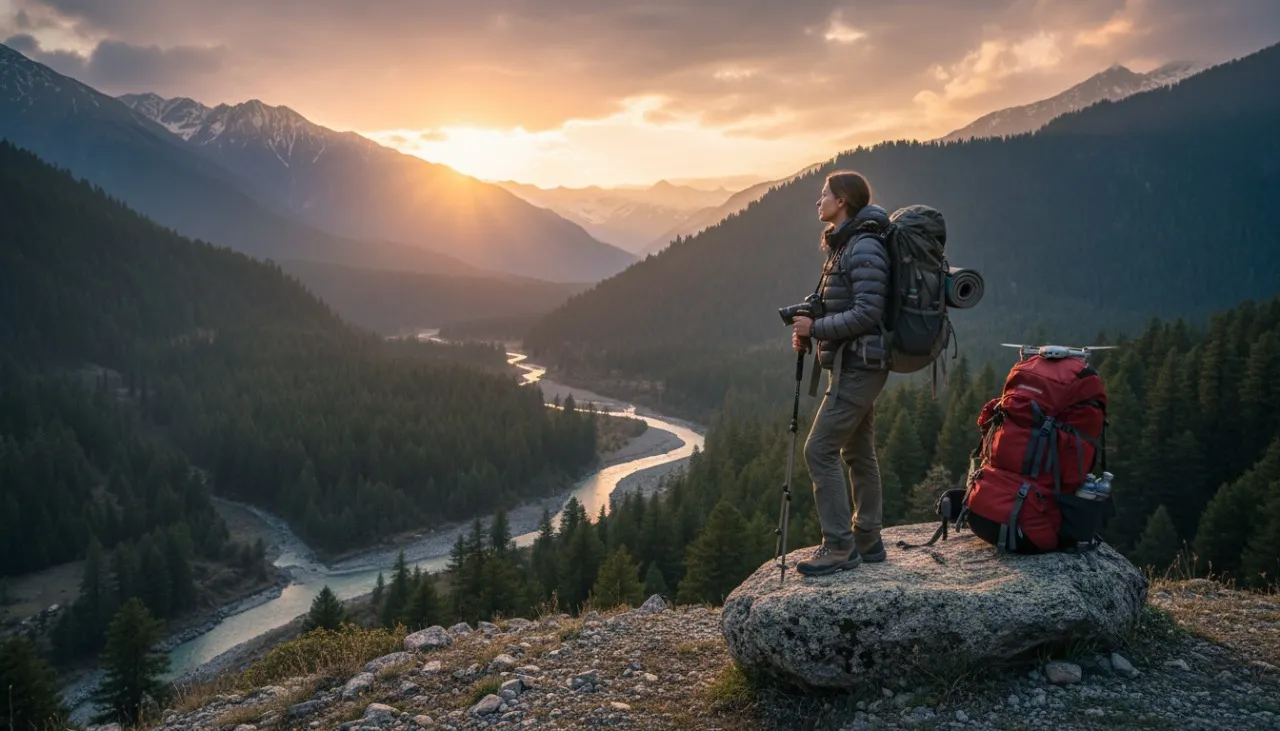
Embarking on a solo camping adventure can be incredibly rewarding, offering solitude, self-reflection, and a unique connection with nature. However, it also comes with responsibilities. Safety, preparation, and planning are key to enjoying a dome camping trip without stress.
Finding Your Perfect Dome Tent Retreat
Selecting the right dome is critical for a safe and enjoyable experience. Look for tents that are lightweight, durable, and easy to set up on your own. Weather-resistant materials, reliable stakes, and sufficient ventilation make camping more comfortable and secure. A compact, well-designed tent ensures that you can carry all your essentials while having enough space for rest and storage.
Planning for Comfort and Convenience
Prior to leaving, ensure that your tent site matches the activities you have planned. A level ground away from potential dangers like rivers or cliffs is best. With a tent, you are able to select your own private spots, so you can enjoy the outdoors and still be safe.
What are the must-have safety tips for camping?
Camping safety is a top priority. Being alone in the wilderness requires extra caution to prevent accidents and emergencies.
Keeping Communication Open
Always let a trusted friend or family member know your itinerary. Include information like the campsite location, route, anticipated return time, and contacts for emergencies. It makes sure there is someone who knows where you are, should something go wrong unexpectedly.
Preparedness and Emergency Readiness
Bring a first aid kit, a good flashlight, and means of navigation (map, compass, and/or GPS unit). Basic first aid knowledge and information about the local fauna are needed to have a successful solo campout. Plus, for emergencies, add a fully charged phone or satellite communication device, and keep your camping trip safe and stress-free.
How to choose the right dome for camping?
Choosing the right dome tent enhances both comfort and safety during solo camping.
Balancing Weight and Space
Single campers require tents that are light enough to carry but big enough to store their gear and still have a comfortable place to sleep. Here, domes will save you loads of time and energy so you can spend more time getting outdoors, not fighting with complex poles and stakes.
Weather-Resistant Features
Seek out tents with fully waterproof rainflies and rugged stakes to hold up in wind and rain. Adequate ventilation also plays a role in preventing condensation, which helps to maintain the comfort of the environment during your stay. Your dome tent is what makes a safe and fun solo camping trip possible.
What essentials to pack for a solo dome camping trip?
Packing efficiently is key to a successful solo dome camping experience. The right gear ensures comfort, safety, and convenience.
Lightweight Sleeping and Cooking Gear
A good sleeping bag, compact stove, and portable cooking utensils are crucial. Solo campers benefit from gear designed specifically for one person, minimizing weight without compromising functionality.
Clothing, Food, and Hydration
Pack the appropriate clothing in layers, food, and water adequate for your trip length. Remember the essentials, such as a headlamp, flashlight, and multitool, which can greatly affect your comfort and safety. Smart packing is the key to a relaxing and fun solo camping trip.
How to handle solitude or loneliness when camping alone?
Solo camping allows for deep reflection, but moments of solitude can also feel isolating.
Engage in Meaningful Activities
Have books, journals, cameras, or sketchpads ready to keep you busy. Hiking, birding, or taking photos allows you to commune with nature and lessen feelings of isolation.
Mindfulness and Reflection
Practice mindfulness, meditation, or breathing exercises to enjoy being alone. Camping alone promotes self-exploration and calmness, changing bouts of solitude into fulfilling journeys of self-reflection.
Conclusion
Solo camping in a dome tent can be a deeply fulfilling adventure when approached with preparation, awareness, and the right mindset. By following these solo camping tips, choosing the right dome tent, packing essential camping gear for one, prioritizing solo camping safety, planning your route, and embracing solitude, you can enjoy a safe, comfortable, and memorable trip.
Heaven on Earth offers the best domes for the solo camper to enable you to get the most out of every outing. Solo camping can be one of the most rewarding and freeing outdoor experiences, but it requires a bit of planning and know-how.
FAQs
What is the best dome tent for solo camping?
A lightweight, weather-resistant tent with enough space for comfort and storage is ideal.
How do I stay safe while camping alone?
Share your itinerary, carry a first-aid kit, and bring navigation tools and a phone.
What should I pack for solo dome camping?
Essentials include sleeping gear, food, water, clothing, and camping gear for one.