
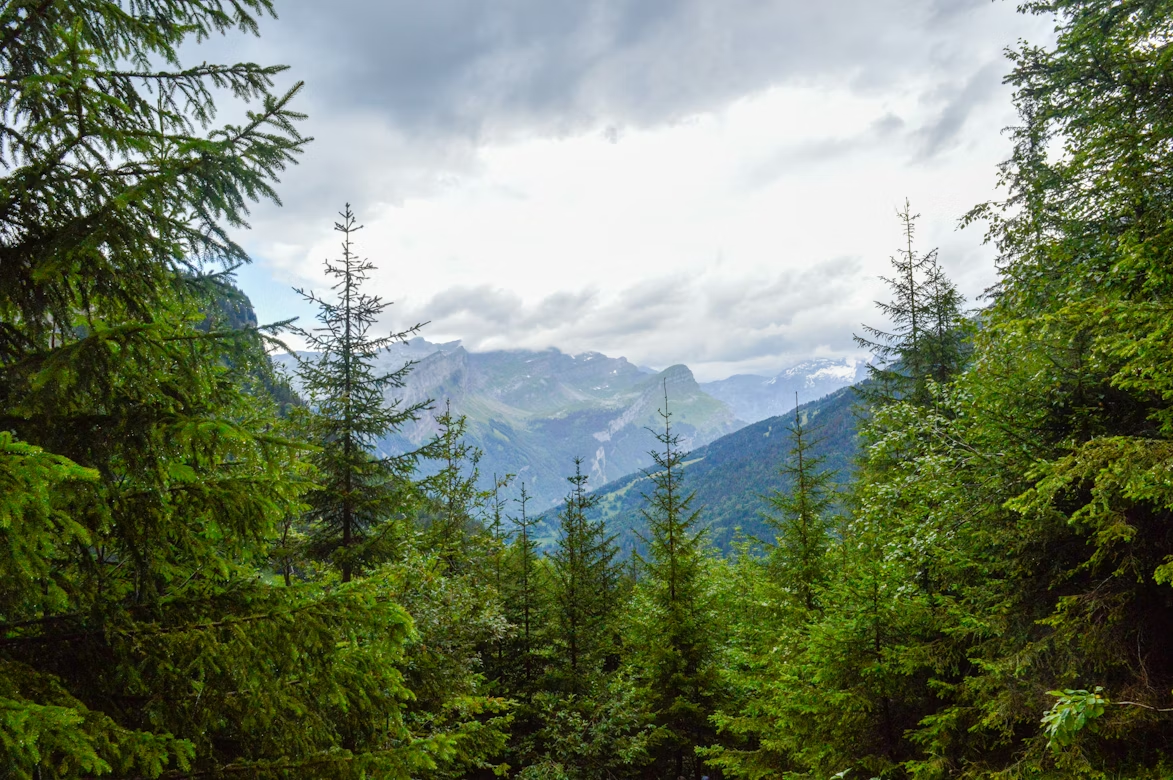
Kumrat Valley weather is the ultimate solution for those looking to escape the scorching Pakistani summer, as the region maintains a daytime average of 20°C to 25°C, while the plains exceed 45°C. Dense Deodar woods and the Panjkora River’s ice glacier flow cool the valley, making it a natural refrigerator. Heaven on Earth is the nation’s most ecologically and tranquil summer mountain resort, as visitors can take advantage of its mild climate without artificial cooling.
Why Kumrat is Your Best Summer Bet
- Icy River Breezes: The Panjkora River acts as a giant heat sink, lowering the ambient temperature.
- Natural Shade: Massive cedar forests block direct sunlight, keeping the forest floor incredibly cool.
- Low Humidity: Unlike the coastal or canal-irrigated plains, the air here is crisp and dry.
- Perfect Sleeping Conditions: Nighttime temperatures often drop to a cozy 12°C, perfect for deep rest.
Understanding the Magic of Kumrat Valley Weather
When the rest of the country is searching for shade, travelers headed north find a different world entirely. Kumrat Valley weather is famously temperate, offering a stark contrast to the humid heat of Punjab or the dry heat of Sindh. The valley’s atmosphere is thinner and loses heat more quickly than at lower elevations due to its elevation of more than 8,000 feet.
You can witness this phenomenon directly by staying in Heaven on Earth. The chilly, oxygen-rich air that permeates the area is symbolized by the morning mist rising from the valley floor. For anyone looking to beat the heat in Pakistan, this high-altitude sanctuary is the gold standard.
What is the Average Temperature in Kumrat in July?
You probably want to know the details if you are organizing a trip: What is Kumrat’s average July temperature? The Kumrat weather in July usually has daytime highs between 22°C and 28°C during this hot summer month. Although this may sound warm, it feels far colder than a comparable reading in a city due to the absence of urban concrete and the continuous mountain winds.
In the evenings, the Kumrat Valley weather takes a sharp turn toward the refreshing. It is not uncommon for temperatures to dip into the low teens, requiring a light jacket or a warm shawl. This is one of the cool places to visit in July where you can actually enjoy a bonfire and a hot cup of tea while the rest of the country is under the grip of a heatwave.
How the Panjkora River Keeps the Resort Cool
Heaven’s location on Earth was deliberately designed to optimize natural cooling. How does the resort stay cool thanks to the Panjkora River? The Hindu Kush’s melting glaciers supply the river, thus even in the middle of summer, the water is just a few degrees above freezing.
This running water experiences evaporative cooling as the wind passes across its surface. A natural air-conditioning effect is then produced by pushing this chilled air straight into the resort area. This constant flow of cold air ensures that the Kumrat Valley weather within the resort premises stays several degrees lower than the surrounding hillsides. It is the ultimate summer mountain retreat experience, where the river serves as both a visual delight and a climate regulator.
Is Air Conditioning Needed in the Domes?
For first-time visitors, the absence of large machinery is one of the most unexpected features. Do the domes require air conditioning? The short answer is no. The luxury domes of Heaven on Earth are made to breathe with nature because of the ideal Kumrat weather in July.
The domes’ sophisticated insulation retains heat at night and keeps the interior cool throughout the day. The natural river breeze keeps the interior temperature at a pleasant level. Without the noise and dry air of an air conditioner, you can effectively combat the heat in Pakistan. Alternatively, you may leave your window flap open and drift off to sleep to the sound of the river and rustling trees.
Why it is One of the Best Cool Places to Visit in July
July is the heart of the monsoon in many parts of Pakistan, which often brings stifling humidity. However, the Kumrat Valley weather remains remarkably pleasant. While there are occasional rain showers, they usually serve to further cool the air and turn the meadows into a vibrant, glowing green.
Choosing a summer mountain retreat in this region means you are choosing health. The combination of high altitude, low pollutants, and the perfect Kumrat weather in July helps in rejuvenating the body. Guests often report better appetite, improved sleep, and a total reduction in heat-related fatigue after just two days at Heaven on Earth.
Planning for the Kumrat Weather in July
To make the most of the Kumrat Valley weather, you should pack with layers in mind. Since the sun can be quite strong at high altitudes, a hat and sunblock are essential for daytime trekking. However, as soon as the sun disappears behind the peaks, the Kumrat weather in July changes rapidly.
- Daywear: Light cotton or moisture-wicking fabrics.
- Eveningwear: A fleece or light down jacket.
- Footwear: Waterproof shoes for the occasional summer rain.
Being prepared for the diverse Kumrat Valley weather ensures that your stay at Heaven on Earth is comfortable from sunrise to sunset.
The Science of Mountain Cooling
The reason Kumrat Valley weather stays so pleasant is due to a combination of vertical cooling and the forest canopy. For every 1,000 meters you climb, the temperature naturally drops by about 6.5°C. When you add the massive Deodar forests that surround Heaven on Earth, you get a double layer of protection from the heat. These trees provide a thick umbrella that prevents the ground from absorbing thermal energy, making it one of the most reliable cool places to visit in July.
Conclusion
Escaping to the mountains is no longer a luxury; it is a necessity for mental and physical well-being during the harsh Pakistani summers. The Kumrat Valley weather provides a perfect natural refuge where the heat of the plains becomes a distant memory. With the icy waters of the Panjkora and the shaded luxury of Heaven on Earth, your summer can be defined by cool breezes rather than rising thermostats.
Tired of the heat? Experience the ultimate summer mountain retreat. Book your stay at Heaven on Earth today and breathe in the crisp, cool air of the valley!
FAQ
Does it rain a lot in Kumrat during July?
July brings occasional monsoon showers, but they are typically brief. These rains are actually welcomed as they wash the dust away and make the Kumrat Valley weather even more refreshing and the scenery greener.
Is it safe to travel to Kumrat during the summer rain?
Yes, the roads to Heaven on Earth are generally well-maintained. However, it is always a good idea to check the latest Kumrat Valley weather updates before your departure to ensure the mountain passes are clear.
What is the hottest it gets in Kumrat?
Even in the peak of summer, the Kumrat weather in July rarely sees temperatures exceed 30°C. It is significantly cooler than almost any other tourist destination at a similar distance from the plains.
Can I see snow in Kumrat during July?
While there is no snow on the valley floor, you can often see snow-capped peaks in the distance. If you take a trek to higher altitudes like Katora Lake, you may find lingering patches of glacial snow even in mid-summer.