
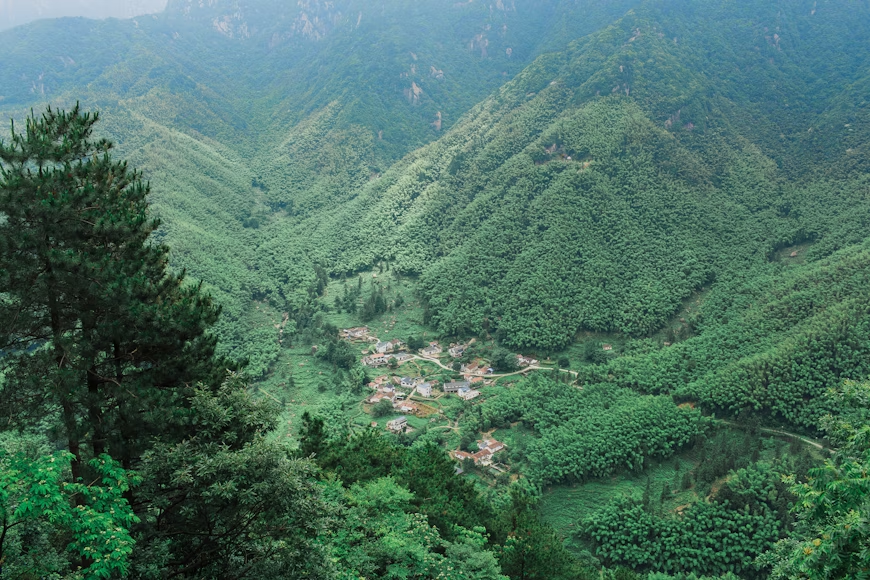
Kumrat Valley has emerged as a travel spot that combines incredible nature with responsible tourism. Renowned for its cedar forests, glacial rivers, and stunning mountain views, the valley also serves as the backdrop for a new generation of eco-friendly glamping resorts that are revolutionizing the way travelers engage with nature.
With international travel trends leaning ever more towards sustainable tourism, Kumrat is a beacon in demonstrating that it is possible to meld comfort & conservation. But what do these resorts do to protect the environment and benefit the local community? Join us as we discover how Kumrat resorts enable sustainability through innovation, education, and a profound sense of place.
The Rise of Eco-Friendly Glamping in Kumrat
Unlike regular camping, eco-friendly glamping provides tourists with the warmth of contemporary facilities without damaging the environment. In Kumrat, the glamping camps are designed to have the least possible impact on the environment – they’re powered by solar, use recycled materials, and have eco-friendly water systems.
These green resorts cater to travelers who value both luxury and responsibility. From biodegradable toiletries to locally sourced food, every detail reflects the principles of sustainable tourism that Pakistan aims to encourage.
Aside from a luxurious stay, the green glamping in Kumrat educates the guests about their environmental impact, and it encourages them to be in the wild without consuming the wild.
Green Initiatives in Kumrat Glamping Resorts
To see what green practices are in place, we can refer to the common practices in the cultivation of many glamping operators across Kumrat Valley. There are a few very effective ones, including this one:
- Solar Energy Systems: Many glamping units are powered by solar panels, reducing dependency on diesel generators and cutting carbon emissions.
- Eco Toilets and Water Recycling: Resorts use composting toilets and filtration systems to prevent river contamination and conserve water.
- Organic Dining: Locally grown produce supports farmers and minimizes transport emissions.
- Plastic-Free Zones: Guests are encouraged to use reusable bottles and eco-friendly packaging.
- Tree-Planting Programs: Some green resorts plant trees for every guest stay, directly contributing to reforestation.
Such measures improve the experience for visitors and make each stay a sustainable one. This synergy between tourism and nature is the best demonstration of sustainable tourism in Pakistan.
Choosing the Right Eco-Friendly Stay
If you want to know how to select sustainable glamping in Pakistan, there are a few tell-tale signs to check for now that you can book:
- Ecotourism: The site should be constructed from local wood or natural materials.
- Energy Sources: Solar lighting and heating are good indicators that an eco-lodge is authentic.
- Waste Practices: Find out if the resort follows a waste management plan (composting, recycling, etc.) We will also be looking into the resort’s dining offerings.
- Community Connection: Resorts that hire locals and buy local goods directly support community involvement in Pakistan.
- Education for Guests: Many authentic eco-resorts educate travelers about conservation and responsible tourism practices.
Travel consciously so your travel experience contributes to the preservation of Kumrat’s delicate biodiversity rather than taking it away.
The Impact of Tourism on Kumrat’s Ecosystem
Just like many other beautiful places, Kumrat is not immune to the problems of increasing visitors. The pressure on housing, food, and infrastructure can result in waste, deforestation, and pollution if left unchecked.
Eco-friendly glamping helps to counterbalance this effect, however, with the introduction by Kumrat resorts of new practices such as capacity limits, renewable energy, and waste management systems. They are working to minimize their impact on the environment.
The impact of tourism doesn’t have to be destructive; if guided by sustainable tourism Pakistan principles, it can be a force for conservation and awareness.
How Resorts Minimize Waste in Kumrat
Waste management continues to be a major challenge in remote mountain areas. Yet, Kumrat’s eco-friendly glamping camps are leading the way in addressing.
Here’s our guide to how responsible green resorts are cutting the waste:
- Segregation at Source: Organic and non-organic waste are segregated for safe disposal.
- Composting: The waste from your plate is made into natural fertilizer for the local farms.
- Recycling Programs: Reusable materials, such as glass and aluminum, are also collected and taken to recycling centers.
- Community Cleanup Drives: Resorts regularly collaborate with tourists and villagers to keep the valley clean.
These clean Kumrat waste management initiatives not only protect the natural environment but also provide a strong example for tourists and nearby villages.
Conservation Through Community
There is no sustainability work that can be accomplished without engaging the local communities. The role of the community in Kumrat, Pakistan, in tourism and nature conservation depends heavily on community participation.
Resorts hire and train residents as staff, guides, and artisans, empowering them economically while ensuring cultural authenticity. Many glamping operators also collaborate with local NGOs to promote forest preservation and wildlife protection, fostering conservation efforts that extend beyond resort boundaries.
Now, through awareness and work, the people of Kumrat are active stakeholders in protecting the land that feeds them. This partnership is at the core of eco-friendly glamping, a people and planet-friendly model.
Encouraging Responsible Travel
All the tourists who come to Kumrat have a role in sustaining its natural beauty. Simple practices, from not using single-use plastic to respecting wildlife and using less energy, can make a difference.
Glamping sites sometimes hand out sustainability guides to guests, inviting them to be responsible. It’s a gentle reminder that conservation succeeds when hosts and visitors share the same values.
So if you focus on being mindful while visiting, you can consider yourself a pioneer in a growing trend of sustainable travel that Pakistan is gradually taking on.
How the Future of Kumrat Can Stay Green
The future of eco-friendly glamping in Kumrat is based on constant innovation and education. With tourism on the rise, there is an even greater demand for tighter regulations, more renewable energy, and improved waste disposal in the Kumrat systems.
Through sustained community participation in Pakistan and cooperation of the local government, Kumrat has the potential to set a precedent for eco-sensitive tourism, where high-end and green tourism go hand-in-hand.
If the same equilibrium persists, Kumrat’s natural bounty will continue to be preserved for years to come, serving as a testament to that sustainable development is truly attainable.
Conclusion
Kumrat Valley is a beautiful demonstration of how it can develop in responsible tourism in Kumrat Valley in terms of tourism development, tourism impact, and tourist conduct. The rise of eco-friendly glamping not only allows travelers a unique, comfortable escape in nature, but it also protects the forests, rivers, and wildlife of the valley.
From green resorts pioneering new energy solutions to communities mobilizing conservation efforts: It all adds up. Education, partnerships, and dedication, Kumrat proves travel that makes a difference isn’t just about seeing amazing places, it’s in keeping them.
Nestled in the mountains, the call for sustainability is becoming stronger, and Kumrat’s glamping accommodations are answering it perfectly.
FAQs
How do Kumrat glamping resorts promote sustainability?
They incorporate solar energy, green building, recycling initiatives, and local procurement to minimize impact on the environment.
What should I look for when choosing eco-friendly glamping in Pakistan?
Ensure the consumption of renewable energy, waste management is adequately handled, and local employment is stratified.
What is the role of the community in Kumrat’s conservation efforts?
Local communities take part in training programs in reforestation, cultural restoration, and ecotourism.
How can tourists contribute to sustainable tourism in Kumrat?
Travelers can reduce the use of plastic, avoid disturbing wildlife, and support eco-friendly hotels with sustainability programs that have been verified.