
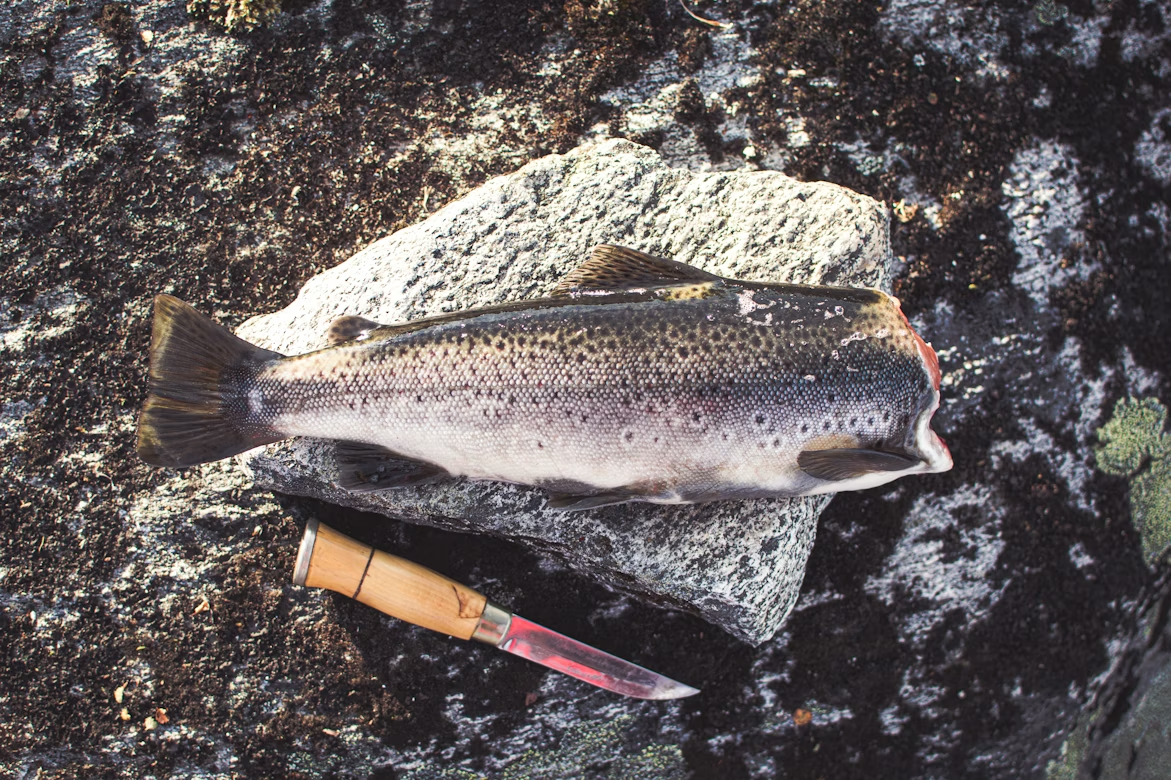
When exploring food in Kumrat Valley, visitors are treated to a rustic yet delightful culinary adventure that perfectly complements the wild landscape. The valley is famous for its fresh aquatic treats, particularly trout caught straight from the Panjkora River.
Beyond seafood, the region offers authentic Pashtun hospitality with dishes like Chapli Kabab, Dumba Karahi, and Rosh. For those seeking a blend of luxury and taste, dining at Heaven on Earth provides a hygienic and upscale experience. Whether you are craving a smoky bonfire BBQ night under the stars or simple, organic local fare, Kumrat ensures no traveler goes hungry.
A Culinary Adventure in the Wild
A trip to the mountains is frequently associated with scenic beauty, but for the true adventurer, the trip is not complete without experiencing the local way of life. Kumrat Valley cuisine is unique due to its freshness. The meals here are made with organic ingredients, fresh water straight from glacial streams, and regional spices that help warm the body against the mountain cold, in contrast to city food that is frequently processed or stored for days.
Traveling foodies have a variety of options, from cozy, well-curated resort dining to daring self-cooking sessions by the riverbank. This is a thorough guide to sating your hunger in Upper Dir’s deep forests.
The Crown Jewel: Fresh River Trout
The river trout is, without a doubt,t the dish that best captures the essence of Kumrat Valley cuisine. The Panjkora River’s icy, clear waters are ideal for rainbow and brown trout breeding. In contrast to fish raised on farms, the trout in this area battle the powerful river currents, producing meat that is firmer, leaner, and much more delicious.
- Taste Profile: The meat needs very little seasoning because it is tender and sweet. To bring out the natural flavor, locals frequently cook it with just a squeeze of lemon and a dusting of salt.
- Preparation Styles: Travelers who are health-conscious and prefer a smoky flavor are increasingly choosing grilled fish instead of the traditional method, which involves frying the fish in hot oil to create a crispy skin.
Many tourists engage in trout fishing in river spots designated by the local community. Catching your own dinner, cleaning it by the stream, and having it cooked fresh in an hour is a primal satisfaction. Don’t worry if you are not an angler; the Heaven on Earth resort sources fresh catches every day to make sure you don’t miss out on this treat.
Savoring Local Cuisine in Kumrat
While trout is the star attraction, the local cuisine in Kumrat offers deep, savory flavors rooted in Pashtun culture. The people of Upper Dir take great pride in their ability to welcome guests who visit their home. The food here is designed to be hearty and energy-dense, which makes it ideal for providing energy during extended hiking trips through the pine forests.
When asking about food in Kumrat Valley, you cannot ignore the meat-heavy dishes that are staples of the region:
- Chicken Karahi: The city of Kumrat offers a unique version of curry, which differs from typical city curries. In Kumrat, local restaurants prepare Karahi using either fresh animal fat or pure desi ghee. The dish contains a combination of rich flavors and peppery taste,e which chefs enhance by adding fresh green chilies. The dish tastes best when paired with freshly baked tandoor naan bread, which has a soft and fluffy texture.
- Desi Murgh (Organic Chicken): The chicken broth develops its strong and healthy taste because local poultry chicken is raised as free-range birds and grown in mountain areas. The local people believe that it has medicinal effects that help cure colds and fatigue.
- Rosh: A traditional salty meat stew that is slow-cooked to perfection. Meat yields such that you can pull it off the bone, and the broth thickens with marrow.
People who want to learn about local culture should first taste the traditional food of Kumrat. The experience of dining with locals at a riverbank charpai brings people to sacred moments that they will remember forever.
The Magic of a Bonfire BBQ Night
The temperature in the valley decreases quickly across all months when the sun sets behind the Deodar trees. The valley reaches its full energy during this time because the air carries the scents of burning wood and marinated meat. A bonfire BBQ night is the quintessential Kumrat activity that brings families and friends together.
You find yourself in a scene where you sit next to a blazing fire while the Panjkora River creates a constant sound in the distance, and you anticipate the moment when skewers of spicy chicken and mutton tikka will cook over burning red coals.
- DIY vs. Managed: You can bring your own equipment, but it can be a hassle to carry coal, grills, and raw meat from the city.
- The Better Option: Most high-end visitors prefer the curated experience where everything is set up for them.
The Heaven on Earth resort provides the best experience through its bonfire BBQ night, which serves as its ultimate attraction. We handle the marination using secret local spice blends, manage the fire setup to keep you warm, and provide excellent service. The visitors of Kumrat Valley can experience the fire’s warmth while they eat their meals because the system handles all the cooking and cleaning tasks.
Luxury Dining at Heaven on Earth
Families and tourists who want to maintain their hygiene standards while enjoying comfortable travel must face difficulties when searching for trustworthy dining options in the remote areas of Kumrat Valley. The roadside dhabas serve tasty food,d yet they fail to provide necessary hygiene standards that are safe for people with sensitive stomachs. This is where dining at Heaven on Earth sets a new standard.
The resort understands that after a long day of trekking, jeep riding, or photography, you want a meal that is both safe and delicious.
- Hygiene First: Unlike roadside stalls, the resort maintains strict kitchen hygiene standards, ensuring that water is clean and ingredients are washed properly.
- Menu Variety: They offer a mix of traditional and continental options, ensuring that even picky eaters find something they love.
The dining experience at Heaven on Earth transforms a challenging journey into a peaceful vacation. The restaurant provides you with outdoor views of nature through its windows while delivering high-quality service and food that matches the standards of an upscale restaurant.
The Experience of Trout Fishing in River Streams
We mentioned eating trout, but the activity of trout fishing in river streams adds a layer of excitement to your food journey. Many enthusiasts visit the valley specifically for the angling opportunities.
The Panjkora River is teeming with fish, but catching them requires patience and skill. The thrill of the catch makes the meal taste significantly better. If you plan to fish:
- Permits: You may need a small permit fee for fishing in certain zones, which helps with conservation efforts.
- Gear: It is best to bring your own rod and line, though some locals might rent out basic equipment.
Combining the thrill of trout fishing in river waters with a cookout afterward is the definition of fresh food in Kumrat Valley. It connects you to nature in a way that simply ordering off a menu cannot.
Budgeting for Food in Kumrat
One of the common questions travelers have is regarding the cost of food in Kumrat Valley. Generally, the valley is quite affordable compared to commercial hubs like Naran or Murree, but prices can vary based on where and what you eat.
- Trout Prices: Being a premium catch, river trout is sold by the kilogram. Prices usually range between PKR 2500 tandPKR 4000 per kg, depending on the season and the size of the catch.
- Traditional Meals: A kilogram of Chicken Karahi typically costs between PKR 1500 and PKR 2500. This price difference depends on whether you choose broiler chicken or the more expensive desi (organic) chicken.
- Staples: Tea (Chai) and naan are very cheap, making it easy to grab a quick snack without breaking the bank.
- Resort Dining: While slightly more expensive than street food, the cost reflects the hygiene, ambiance, and service quality.
Whether you are eating at a roadside dhaba or enjoying fine dining, the value for money regarding food in Kumrat Valley is excellent because the portions are usually generous and the ingredients are pure.
Conclusion
So, what is the verdict on food in Kumrat Valley? It is fresh, organic, and incredibly satisfying. From the thrill of catching your own dinner during a trout fishing in river session to the comfort and class of dining at Heaven on Earth, the valley caters to every palate.
The food here is not just fuel; it is a part of the adventure. If you want to elevate your trip, don’t just experience the food. Plan a bonfire BBQ night, try the local salty tea, and let the flavors of the mountains become a part of your travel memories.
Hungry for an adventure? Book your stay at Heaven on Earth resort now and get ready to feast on the best trout and BBQ the north has to offer!
FAQs
Is halal food available in Kumrat Valley?
Yes, 100% of the food in Kumrat Valley is Halal. The region is predominantly Muslim, and all meat is sourced and prepared according to strict Halal standards.
Can we cook our own food in Kumrat?
Absolutely. Many campers bring portable stoves and ingredients. However, for a hassle-free experience with better hygiene, dining at Heaven on Earth is the recommended option.
What is the best time for trout fishing?
The summer months, particularly May through August, are ideal for trout fishing in river streams as the water levels and temperatures are suitable for fish activity.
Is mineral water available in the valley?
Yes, bottled water is available at small tuck shops and resorts. However, stocks can run low during peak season, so it is wise to buy from the main bazaar in Thal or ask the resort staff.