
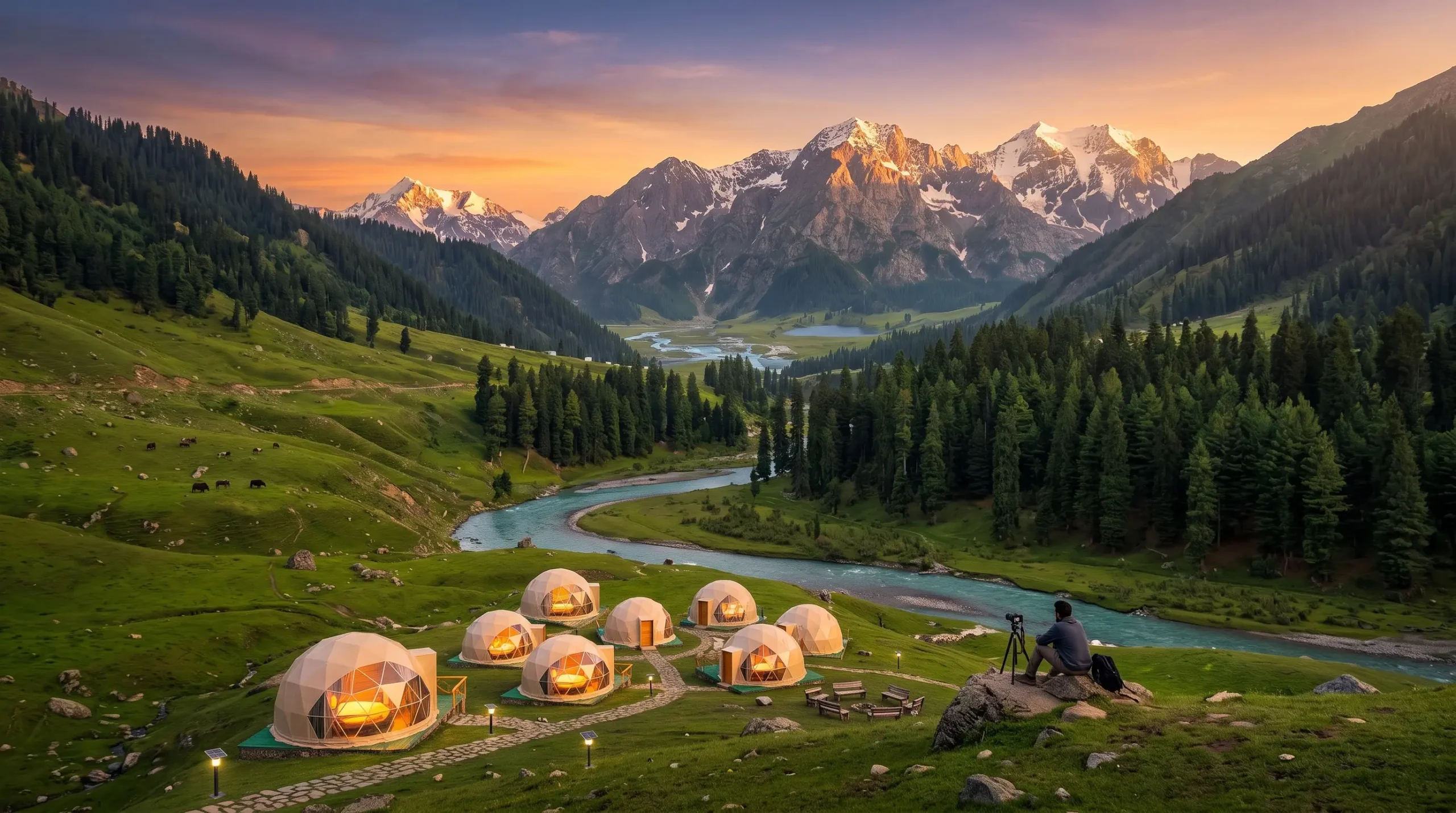
For anyone who enjoys capturing landscapes, Kumrat Valley photography offers some of the most rewarding scenery in northern Pakistan. Dense pine forests, clear rivers, and layered mountains create natural compositions that barely need adjusting. Whether you are a beginner or a seasoned traveler with a camera, Kumrat Valley photography rewards patience and a willingness to explore beyond the main road.
This guide covers the best spots, timing, and seasonal tips so you can make the most of your camera during your trip.
What Are the Best Photo Spots in Kumrat?
Some locations naturally stand out when it comes to Kumrat Valley photography, mainly because they combine multiple elements like water, forest, and open sky in one frame. Knowing where to go in advance saves time and helps you plan your day around the best light.
Popular Kumrat photo spots include:
- The banks of the Panjkora River, where clear water and forest backdrops create strong compositions
- Open meadows with wide mountain views, ideal for landscape shots
- Forest trails with tall pine trees, especially useful for portrait-style shots with natural framing
- Wooden bridges crossing the river, which add a strong focal point to wider shots
- Elevated viewpoints that offer a broader look at the valley below
Spending time at a few of these Kumrat photo spots rather than rushing through all of them usually leads to better results, since good light and composition often take a little patience.
What Time Is Best for Photos?
Timing plays a major role in how your images turn out during a Kumrat Valley photography trip. Early morning and late afternoon generally offer the most flattering light, with softer shadows and warmer tones compared to the harsh light of midday.
Sunrise is particularly rewarding near the river, where mist often lingers just above the water. Late afternoon works well for forest shots, since the light filters through the trees at a lower angle, creating a natural glow. Midday light tends to be harsher and less forgiving, so many photographers prefer to rest or explore on foot during those hours and save their cameras for the golden hours on either side of the day.
Is Autumn Good for Photography?
Yes, autumn is widely considered one of the best seasons for Kumrat Valley photography. The changing leaves add warm tones of orange, gold, and brown that contrast beautifully with the green pine forests and clear blue skies typical of this season.
Autumn photography Kumrat trips tend to produce some of the most colorful and dramatic shots of the year, since the combination of cooler air, clearer skies, and changing foliage rarely comes together this well during other seasons. If your main goal is capturing striking landscape images, planning your visit around autumn photography conditions in Kumrat is a smart move.
Building a Simple Kumrat Photography Guide for Beginners
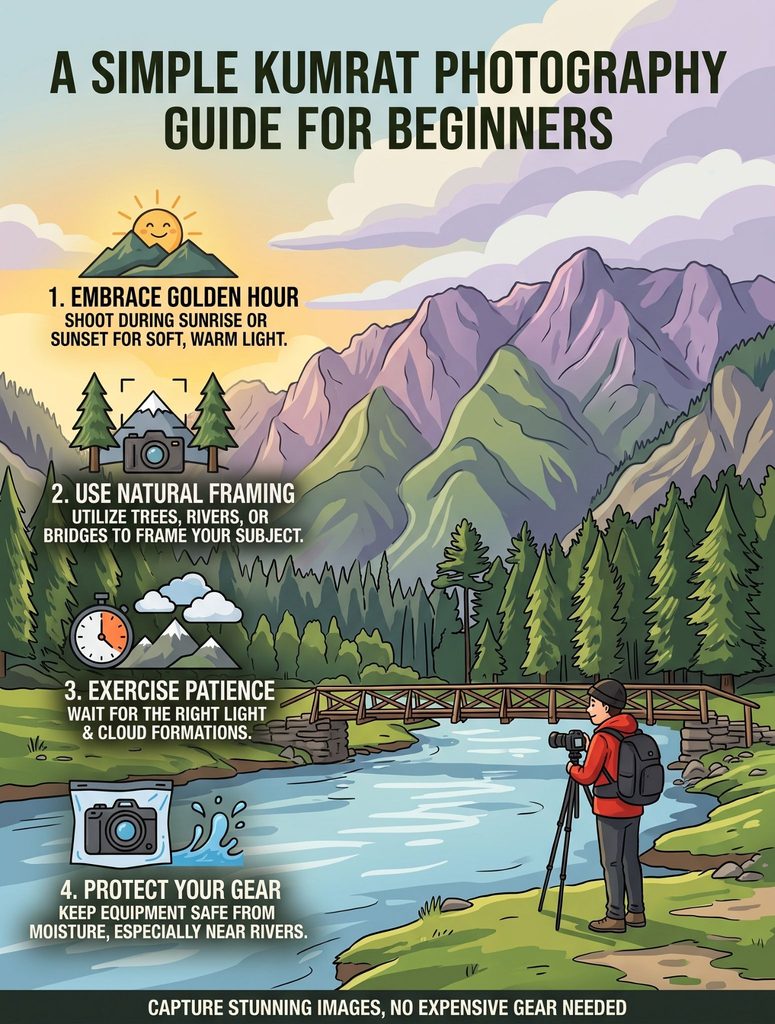
If you are new to landscape photography, a basic Kumrat photography guide can help you avoid common mistakes and focus on what actually matters during your trip. You do not need expensive gear to capture strong images here, just an understanding of light, composition, and patience.
A few beginner-friendly tips to keep in mind:
- Shoot during golden hour whenever possible for softer, more flattering light
- Use natural elements like trees, rivers, or bridges to frame your subject
- Avoid rushing between spots, since good shots often require waiting for the right light
- Keep your gear protected from moisture, especially near the riverbanks
Following a simple approach like this can make a noticeable difference, even for those without much prior experience.
Why This Valley Stands Out for Travel Photography Pakistan-Wide
When people talk about travel photography Pakistan-wide, Kumrat Valley often comes up as one of the more underrated destinations. Compared to more popular and heavily photographed valleys, Kumrat still feels relatively untouched, which makes it easier to capture scenes without large crowds in the frame.
For photographers exploring options across the country, Kumrat offers a good mix of accessibility and natural beauty, without the commercial feel that some other locations have developed over time.
Tips for a Smooth Photography Trip
A few small habits can help your Kumrat Valley photography trip go smoothly.
- Charge batteries fully the night before, since charging options may be limited
- Carry extra memory cards to avoid running out of storage mid-trip
- Protect your camera gear with a simple rain cover for unexpected weather
- Scout locations the evening before to plan your morning shots in advance
These small preparations often make the difference between a rushed shoot and a relaxed, well-planned one.
Conclusion
Kumrat Valley photography offers a rewarding mix of forests, rivers, and mountain views that reward those willing to explore beyond the obvious spots. Whether you are chasing the best light, following a simple plan, or timing your trip around the right season, this valley has plenty to offer any camera lens. A little planning goes a long way toward better Kumrat Valley photography results.
Once your shoot is done, make sure you have a comfortable place to review your shots and relax. Book your stay at Heaven on Earth Resort in Kumrat Valley and enjoy cozy dome accommodation, scenic surroundings, and easy access to some of the best photo spots in the area.
Frequently Asked Questions
Do I need professional camera gear to take good photos in Kumrat?
No, a smartphone with a good camera can capture strong images, especially during golden hour. Professional gear helps with certain shots, but composition and timing usually matter more than equipment.
Are drones allowed for aerial photography in the valley?
Drone use is possible in some areas, but it is important to check local rules and get any necessary permissions before flying. It is also respectful to avoid flying near private properties or crowded areas.
Is it difficult to reach the more remote photo spots?
Some spots require a short hike, but most are accessible without advanced trekking experience. Wearing proper shoes and allowing extra time makes reaching these locations much easier.
What should I do if the weather is cloudy during my visit?
Cloudy weather can actually work well for photography, since it softens harsh light and reduces strong shadows. It is a good time to focus on close-up shots of textures like leaves, bark, or water.
Can beginners get good results without editing software?
Yes, many strong photos come from good composition and lighting rather than heavy editing. Basic adjustments like brightness and contrast are usually enough to enhance an already well-captured image.