
Hidden in the loftiest peaks of northern Pakistan, Kumrat Valley is a dreamland for photographers who love to capture the untouched and wild nature. Enveloped in mist, cedar forests, crystal-clear rivers, and wildlife, the valley looks as if it is taken from a nature documentary. Whether you are an amateur photographer or an experienced traveller, you will find no shortage of opportunities to capture life through your lens in this region.
But how do you use it? In this post, you’ll find the best wildlife photography in Kumrat, from where to find the best sunrise locations, to what camera equipment to bring, and how to be a responsible and ethical photographer while enjoying the valley’s natural beauty.
Discovering Kumrat’s Photographic Charm
Kumrat is not only a place, but it is a blending of light, mist, and life. You will find it easier to set up your tripod if you know a little about the ecosystem in which you are going to be shooting.
The Wild Residents of Kumrat
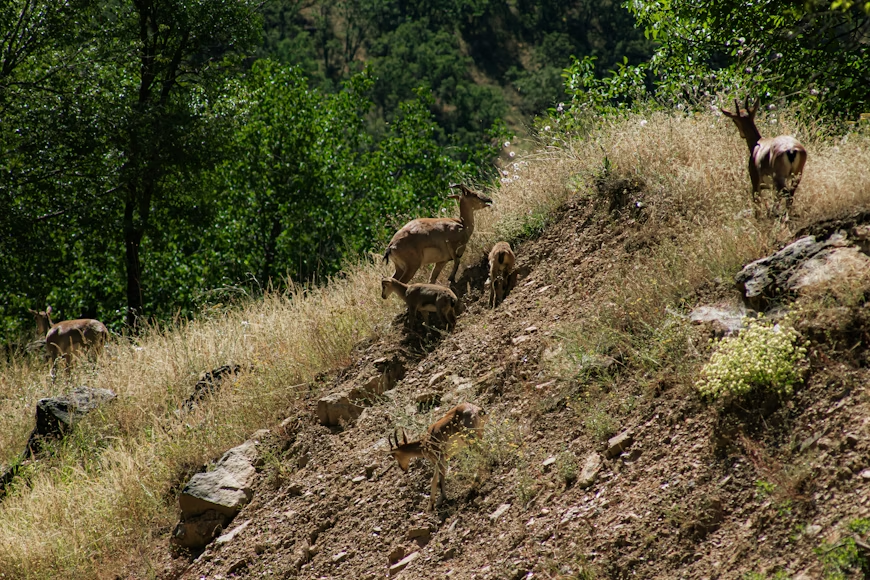
The valley is home to diverse animals and birds, and its forests and meadows offer excellent wildlife photography. Among those hiking the high ridges, visitors can frequently catch a glimpse of Himalayan monals, snow pigeons, foxes, and, rarely, an ibex. Animals are most active in the early morning and late evening, which are optimal times for camera shots of wild, natural, and unrestrained wildlife.
And for the more adventuresome, there are guides available to take you to the more isolated parts of the valley where wildlife wanders free, for the photographer who prefers reality to convenience.
Chasing the Light: Sunrise and Sunset Photography
The secret behind which you will find stunning shots in Kumrat is timing, and the valley’s golden hours have no equals.
Finding the Perfect Sunrise Spots in Kumrat
Photographers love Kumrat for its ethereal morning mist that hovers above the riverbeds and forests. Sunrise spots Kumrat travelers swear by include the open meadows near Jahaz Banda and the riverbanks close to glamping sites. As the first rays of light break through the cedar canopy, the valley transforms into a dreamscape of gold and blue tones.
To capture these moments, be sure to get there early, set your exposure manually, and use a tripod to shoot those gentle light gradients. Patience is key; occasionally, the ideal shot arrives after a little wait to catch the right dance of sun and shade.
Drones and Aerial Perspectives
The majesty and scale of Kumrat are undoubtedly a place for a perfect hover, but it requires a sense of responsibility and enlightenment for wildlife photography.
Understanding Drone Rules in Kumrat
Drone fans can get stunning shots of rivers snaking through valleys or glamping domes nestled among pine forests. But it is important to obey the drone regulations for safety and respect for the environment. Always confirm with local officials or your lodging before flying, as areas may be off-limits due to wildlife sensitivities or privacy concerns.
If you’re staying at a resort such as Heaven on Earth Resort, the staff can guide you on where and when drones are permitted. Many glamping areas are drone-friendly but maintain limits to prevent disturbance to animals and guests. Practicing caution ensures that aerial wildlife photography highlights the valley’s grandeur without harming its delicate balance.
Choosing the Right Gear for Nature Photography
Even the most gorgeous scenery can fall flat if you don’t have the right gear. A little preparation and some smart gear choices will make every shot count.
Camera Essentials for Pakistan’s Northern Landscapes
For wildlife photography, a DSLR or mirrorless camera with a fast telephoto lens (such as 70–200mm or 100–400mm) is best suited for photographing subjects from a distance without disturbance. Wide-angle lenses are the best choice for dramatic landscapes, especially at sunrise and sunset.
When packing your camera essentials, also remember to bring extra batteries, memory cards, and make sure your camera bag is weatherproof. Kumrat’s foggy mornings and drizzle will catch you off guard. A heavy-duty tripod is also a must-have for crisp long-exposure images of waterfalls or twilight skies.
So whether you’re up close and personal with a grazing ibex or capturing the calm of the Panjkora River, high-quality gear can make wildlife photography a story worth sharing.
Practicing Ethical Photography
Patience, respect, and awareness are all required behind every great wildlife image. The mission isn’t just taking pictures of animals; it’s protecting their world so you can do so.
Shooting with Sensitivity and Purpose
Ethical photographers know that keeping a safe distance is non-negotiable. Avoid making loud noises, using flash around animals, or chasing them for a closer shot. The essence of ethical photography in Kumrat lies in observation rather than interference.
Local experts point out that wildlife photography with integrity is simply allowing nature to be natural. If an animal changes its behaviour due to your presence, it’s time to move away. Keep in mind: serene is strong.
Blending Glamping Comfort with Photography
Kumrat has the right mix of tough, outdoor adventure and polished downtime for many tourists. Luxury glamping camps offer a cozy camp to head out at dawn with your camera and come home at dusk to warmth and comfort.
Where Comfort Meets Creativity
Staying at places like Heaven on Earth Resort enhances your photography journey. Nestled amid pine forests and overlooking tranquil rivers, such resorts offer direct access to scenic trails and panoramic viewpoints.
Many glamping sites also provide guided tours to view wildlife and capture the landscapes on film, ideal for those who want to do wildlife photography without roughing it. After a full day of shooting, there’s no better feeling than editing your images under the stars while enjoying a cup of hot tea in the comfort of your own dome.
Tips for Perfecting Your Shots
Capturing the wild soul of Kumrat not only needs a decent camera but also needs a far-sighted vision, along with patience and a pinch of technical finesse.
Play with contrasts, sunlight filtering through forest branches, shadows on river rocks, or critters camouflaged in golden meadows. Set the aperture for depth of field and then shoot raw to allow for maximum editing flexibility.
Keep your lens handy for morning hikes; that’s when most animals are awake. And always bear in mind the valley’s beauty is in being in the moment, your best wildlife shots are often taken when you least expect them.
Conclusion
In Kumrat Valley, a photographer has to become more than just an artist who takes pictures; they have to be a nature lover. The forests, rivers, and skies all provide transient moments that pay off for patience and mindfulness. Whether you’re learning how to take aerial photos under tight drone regulation, getting some practice with ethical photography, or just getting up early to chase the best sunrise views Kumrat has to offer, every shot is a nod to the valley’s raw magic.
Resorts are not just places to stay, they’re gateways to inspiration, comfort, and access to the most scenic corners of this breathtaking landscape. By blending respect for nature with the joy of creation, travelers can ensure that their wildlife photography in Kumrat preserves the story of the valley for generations to come.
FAQs
What wildlife can I photograph in Kumrat?
You get Himalayan monals, fox, ibex, and a host of rare birds living in the cedar woods and alpine meadows.
Where can I find the best sunrise views?
Best sunrise spots in Kumrat are located at the banks of the river and open fields adjacent to glamping sites, and there is an incredible fusion of fog and sunlight at these locations.
Are drones allowed in Kumrat Valley?
Drones are allowed in certain areas, but you must comply with the local drone regulations. Resorts such as hoeresort.com can tell you where you can safely fly.
What are the key ethical photography practices?
Respecting distance, no flash, no loud noises, and concentrating on looking (don’t touch) are the steps to being a responsible wildlife photographer.